Choosing the Right Air Compressor for Your Industry Needs
In industrial operations, the air compressor is a vital component across numerous sectors. Choosing the right air compressor is crucial for maximizing efficiency and productivity. This article delves into the complexities of selecting an air compressor tailored to specific industrial needs, providing insights into different types, applications, and factors to consider. Understanding the fundamentals of air compressors and recognizing their significance in various industries will aid decision-makers in making informed choices. As technology advances, the diversity of options available for air compressors grows, necessitating a comprehensive examination of their potential impacts on business operations.
Selecting the ideal mechanical setup requires careful analysis of your facility's daily utility demands. Choosing incorrectly often results in high energy bills, frequent equipment failures, and severe production delays. To avoid these costly operational issues, many businesses partner with an experienced air compressor contractor to assess their current infrastructure and recommend appropriate machinery layouts. Utilizing professional expertise simplifies the procurement process and ensures long-term operational success.
Evaluate Various Compressor Designs
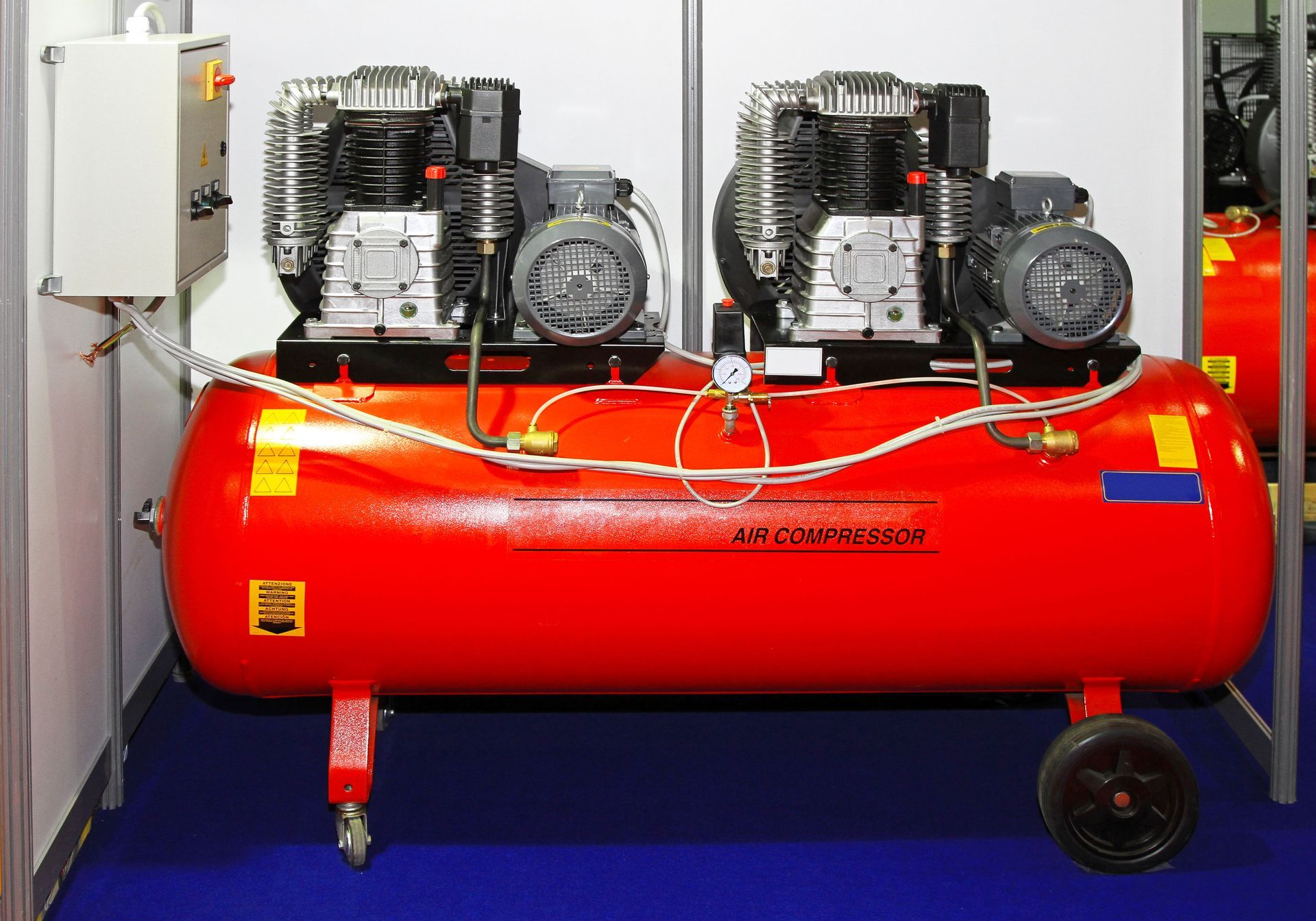
Understanding standard equipment categories is the initial step toward optimizing your utility infrastructure. Reciprocating models use a piston within a cylinder to generate high pressure, making them suitable for applications demanding significant concentrated force. However, these machines produce more noise and require regular maintenance to prevent mechanical breakdown. Conversely, rotary screw compressors utilize interlocking rotors to deliver a continuous, steady airflow with minimal pulsations. Consulting a professional air compressor contractor helps determine whether a reciprocating or screw configuration best suits your facility's primary operational demands.
Specialized environments often require alternative mechanical designs to accommodate specific spatial layout constraints or noise limitations. Rotary vane compressors utilize sliding vanes to offer exceptional reliability and quiet operation in automotive and packaging plants. Scroll compressors employ spiral-shaped components to deliver silent, vibration-free air ideal for noise-sensitive medical clinics. Finally, large industrial facilities utilize high-speed centrifugal compressors, which employ rotating impellers to deliver massive volumes of air efficiently. Reviewing these distinct mechanical choices helps ensure your selected machine aligns with your physical layout.
Assess Key Performance Factors
Determining your facility's physical air requirements is essential for choosing an efficient utility system. Cubic Feet per Minute measures air volume, while Pounds per Square Inch denotes the pressure delivered. Operating multiple pneumatic tools requires high volume, whereas heavy industrial processes demand high pressure. Mismatched requirements lead to severe pressure drops and costly operational downtime. Facility managers must also consider the equipment's duty cycle, which indicates how long a unit can safely operate without overheating, ensuring continuous operations remain stable.
Available floor space, ventilation, and energy efficiency are equally critical factors during the selection process. Large stationary models require adequate room and proper ventilation, while portable units offer excellent flexibility for remote projects. Energy consumption represents a major operational cost, making power-saving features highly desirable. According to a report by Market.us Scoop, global revenues for industrial compressed air systems are projected to grow consistently at a CAGR of 3.5%, driven by this focus on sustainability. A knowledgeable air compressor contractor ensures your chosen machinery meets these efficiency and structural goals.
Identify Specific Industry Demands
Different industrial sectors exhibit highly unique needs for compressed air systems. The manufacturing sector relies on high-capacity, continuous air to power pneumatic tools and automate assembly lines smoothly. In contrast, the rugged construction industry requires robust, portable compressors that withstand harsh outdoor environments and operate heavy field tools. Working with a dedicated air compressor contractor enables businesses in these demanding fields to secure durable equipment tailored to their environments, minimizing unexpected breakdowns and maintaining productivity.
Air purity is paramount in industries where air quality impacts consumer safety. The automotive industry depends on clean, dry air for high-quality paint finishes free from contaminants. Purity is even more critical in the food, beverage, and healthcare sectors, where oil-free compressors prevent product contamination and protect patient safety. These highly regulated environments use specialized oil-less models to comply with strict health standards, ensuring safe, consistent, and exceptionally clean operations across all production stages.
Examine Modern Technological Innovations
Recent innovations in compressor technology focus heavily on improving energy efficiency and system control. Variable speed drive technology allows compressor motors to adjust power consumption based on real-time air demand, reducing energy waste and mechanical wear. Integrating Internet of Things technology allows for real-time monitoring of performance metrics through smart sensors, enabling predictive maintenance that prevents major failures. These digital advancements transform how industries track energy consumption patterns and optimize daily operational output.
Modern designs also prioritize environmental sustainability and workspace safety through advanced engineering. Advanced oil-free compressors eliminate the risk of oil contamination entirely by using durable, self-lubricating materials. Simultaneously, modern noise reduction technologies like acoustic enclosures allow units to operate much more quietly, improving workplace safety and compliance with health regulations. Implementing these sophisticated technologies effectively usually requires the specialized assistance of a certified air compressor contractor who understands system integration and compatibility.
Maximize Long-Term Equipment Longevity
Establishing regular maintenance schedules is crucial for extending the lifespan of industrial machinery. Developing a comprehensive plan that includes routine inspections, fluid checks, and timely filter replacements ensures optimal daily performance. When mechanical issues do occur, employing basic troubleshooting techniques helps identify low pressure or overheating problems quickly, preventing minor issues from escalating into major disruptions. Securing an ongoing service agreement with an expert air compressor contractor guarantees that trained technicians manage these complex service tasks safely.
Maintaining a reliable supply of authentic spare parts like valves and seals is essential for preventing prolonged operational downtime. Operators must also remain vigilant for early signs of wear and tear, such as excessive vibration, unusual noise, or decreased energy efficiency. Recognizing these warning signs early allows for proactive repairs, reducing overall maintenance costs and protecting production timelines. Addressing minor mechanical wear promptly preserves internal components and extends the reliable lifetime of your equipment asset.
Conduct Detailed Financial Analyses
A thorough cost-benefit analysis balances initial purchase prices against long-term operational savings. While budget-friendly compressors offer lower upfront expenditures, they often incur higher utility bills and maintenance expenses over time. Conversely, premium energy-efficient models optimize resource allocation and lower monthly power bills, delivering an excellent return on investment. Evaluating durability and power consumption helps industries choose economically viable options that support immediate budget constraints and long-term financial health.
Comprehensive warranties and robust manufacturer support services protect businesses from the financial risks of unexpected component failures. Calculating precise return on investment metrics requires analyzing energy reductions, extended service lifespans, and minimized production delays across leading brands. To navigate these complex financial variables effectively, consulting an independent air compressor contractor provides the data-driven clarity needed to select the most cost-effective machinery for your specific application.
Choosing the right industrial air system involves a detailed understanding of your specific volume, pressure, and environmental requirements. Evaluating mechanical options, technological innovations, and long-term maintenance practices ensures your business selects a system that enhances daily productivity. Professional guidance prevents costly configuration mistakes and optimizes facility workflows over time. An experienced air compressor contractor can bridge the gap between complex engineering specifications and your company's operational goals.
Thoughtful evaluation ensures your compressor choice fulfills immediate operational demands while contributing to long-term sustainability and business growth. As industrial technologies continue to evolve, staying informed about advanced equipment features remains vital for maintaining a strong competitive advantage. Contact our team at Air Compressors Plus so we can help you select, install, and maintain the perfect system for your commercial needs.

Share On: