Facts About Air Compressors
Pneumatic machinery plays an essential role in powering modern industrial facilities, auto repair centers, and commercial workshops across the world. By converting electrical or combustion power into mechanical force through pressurized air, these versatile systems enable a wide array of tools and automated processes to operate efficiently. Understanding how pressurized systems function provides valuable perspective for facility managers, technicians, and operational staff who rely on consistent pneumatic output. Rather than utilizing individual electric motors at every separate point of work, a centralized machine generates compressed potential energy that can be distributed smoothly through network piping throughout an entire facility.
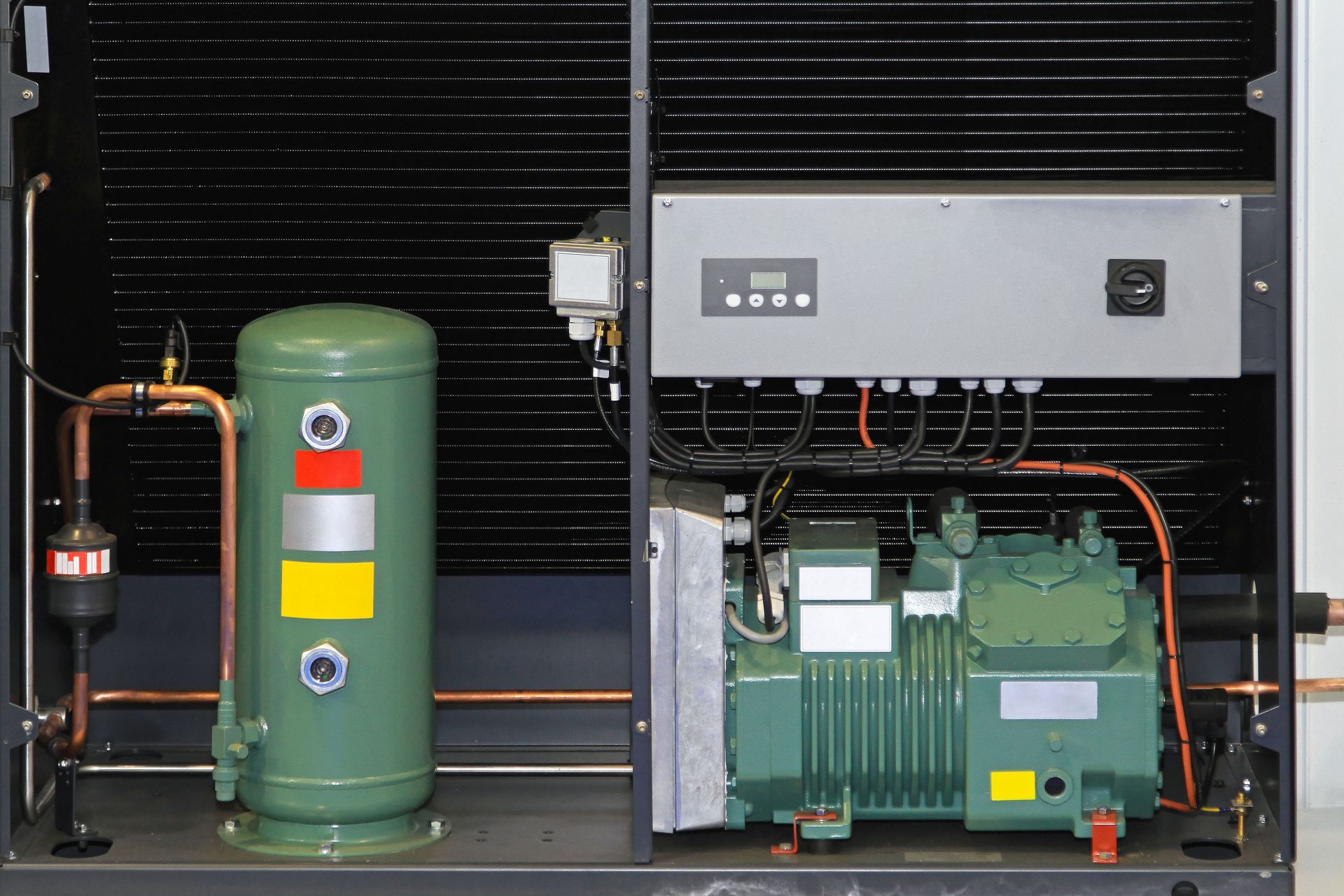
The core mechanical principles rely on atmospheric intake, volume reduction, and mechanical displacement. Environmental air enters through an intake filtration assembly designed to capture suspended particles and ambient debris before entering compression chambers. Inside the system, mechanical elements such as reciprocating pistons or rotating rotors reduce the physical volume of the captured air, elevating internal pressure significantly. Once pressurized, the air moves directly into storage receivers or continuous distribution lines. Stored potential energy converts seamlessly into dynamic power whenever pneumatic tools, actuators, or automated valves demand airflow. Because atmospheric air naturally contains moisture vapor and fine particles, modern layout designs incorporate specialized line filters, desiccant dryers, and pressure regulators to preserve internal components and maintain consistent output pressure across all connected pneumatic equipment. Commercial air compressors excel at delivering continuous air volume to meet diverse, demanding workflows across various industries.
Exploring Key Operational Capabilities
Pressurized pneumatic systems deliver extraordinary power density compared to standard electrical tools of similar physical dimensions. Piston-driven and continuous-flow mechanisms enable sustained operation under demanding commercial workloads without generating excessive localized thermal energy. Industrial facility owners often select pressurized machinery over electric alternatives because pneumatic tooling remains cooler during continuous shifts, reduces mechanical wear on internal motor assemblies, and offers long-term durability in high-volume production settings.
Furthermore, air compressors deliver clean, reliable energy across diverse environmental conditions where electrical sparks might otherwise restrict equipment use. Modern facilities utilize compressed air not only for mechanical actuation but also for precise material handling, automated sorting lines, specialized spray finishing, and pneumatic conveyance systems. Proper equipment selection ensures that air volume, measured in cubic feet per minute, aligns precisely with system pressure ratings, measured in pounds per square inch, meeting exact facility requirements. Understanding these technical specifications allows operations directors to calculate air consumption accurately across multi-tool networks.
Analyzing Common Equipment Classifications
Machinery designs vary significantly based on intended workload, duty cycle, and required airflow volume. Understanding these distinctions helps organizations match specific mechanical configurations with daily operational demands. Heavy-duty air compressors provide essential mechanical force across manufacturing, construction, and automotive sectors.
Reviewing Reciprocating Piston Models
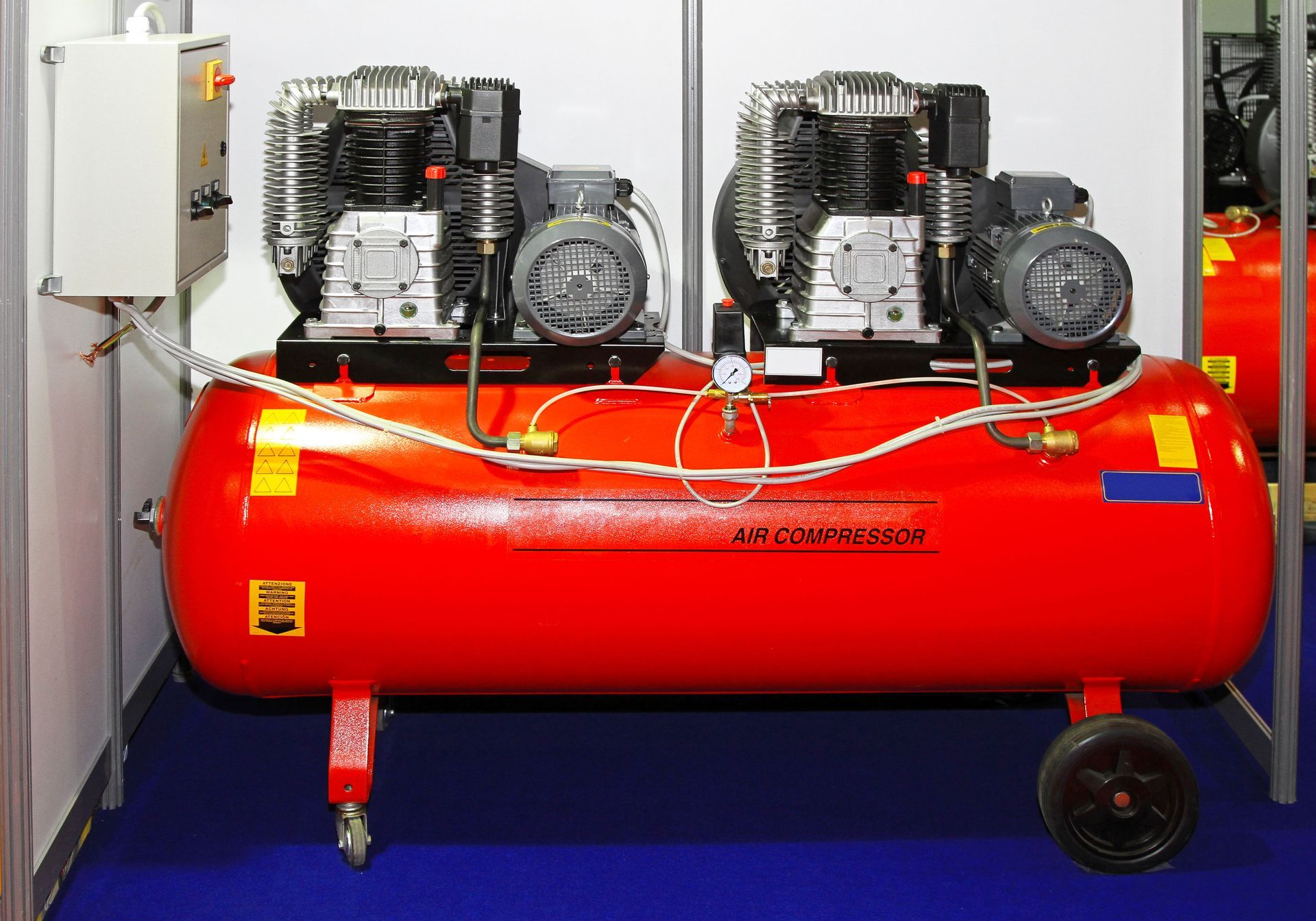
Reciprocating piston units utilize a crankshaft, connecting rod, and piston movement within a metallic cylinder to compress atmospheric air. Single-stage configurations press air directly into a receiver tank in a single stroke, whereas two-stage variations compress air in a primary low-pressure cylinder before transferring it through an intercooler to a secondary high-pressure cylinder for further elevation. These units excel in intermittent applications where high operating pressures are necessary, such as automotive service bays, commercial body shops, and specialty manufacturing plants.
Reviewing Rotary Screw Machinery
Rotary screw systems rely on two interlocking helical rotors that trap and continuously reduce air volume between the thread grooves as they spin. This continuous displacement mechanism allows rotary equipment to operate at a hundred percent duty cycle without overheating or causing mechanical fatigue. Facilities requiring constant, uninterrupted airflow—such as large manufacturing plants, pharmaceutical processing facilities, chemical processing installations, and heavy industrial plants—frequently deploy rotary screw units for maximum operational productivity. Industrial air compressors built on rotary screw principles keep large assembly lines functioning continuously without experiencing thermal performance drops.
Reviewing Tank Storage Configurations
Storage volume plays a major role in regulating system pressure stability and preventing excessive motor cycling during periods of peak demand. Receiver tanks buffer sudden flow surges, allow entrained moisture condensation to settle out of the air stream, and stabilize pressure downstream. According to This Old House, expansive tanks holding between 60 and 200 gallons cater specifically to continuous operations within industrial environments. These larger receiver sizes reduce thermal buildup, minimize pump wear, and maintain reliable airflow during high-demand operating intervals across busy facility shifts.
Implementing Proper Maintenance Routines
Preserving peak mechanical output requires structured care and regular operational inspection. Establishing systematic servicing protocols prevents premature component wear, preserves system pressure levels, and minimizes unexpected operational downtime across critical facility workflows.
Managing Routine Mechanical Inspections
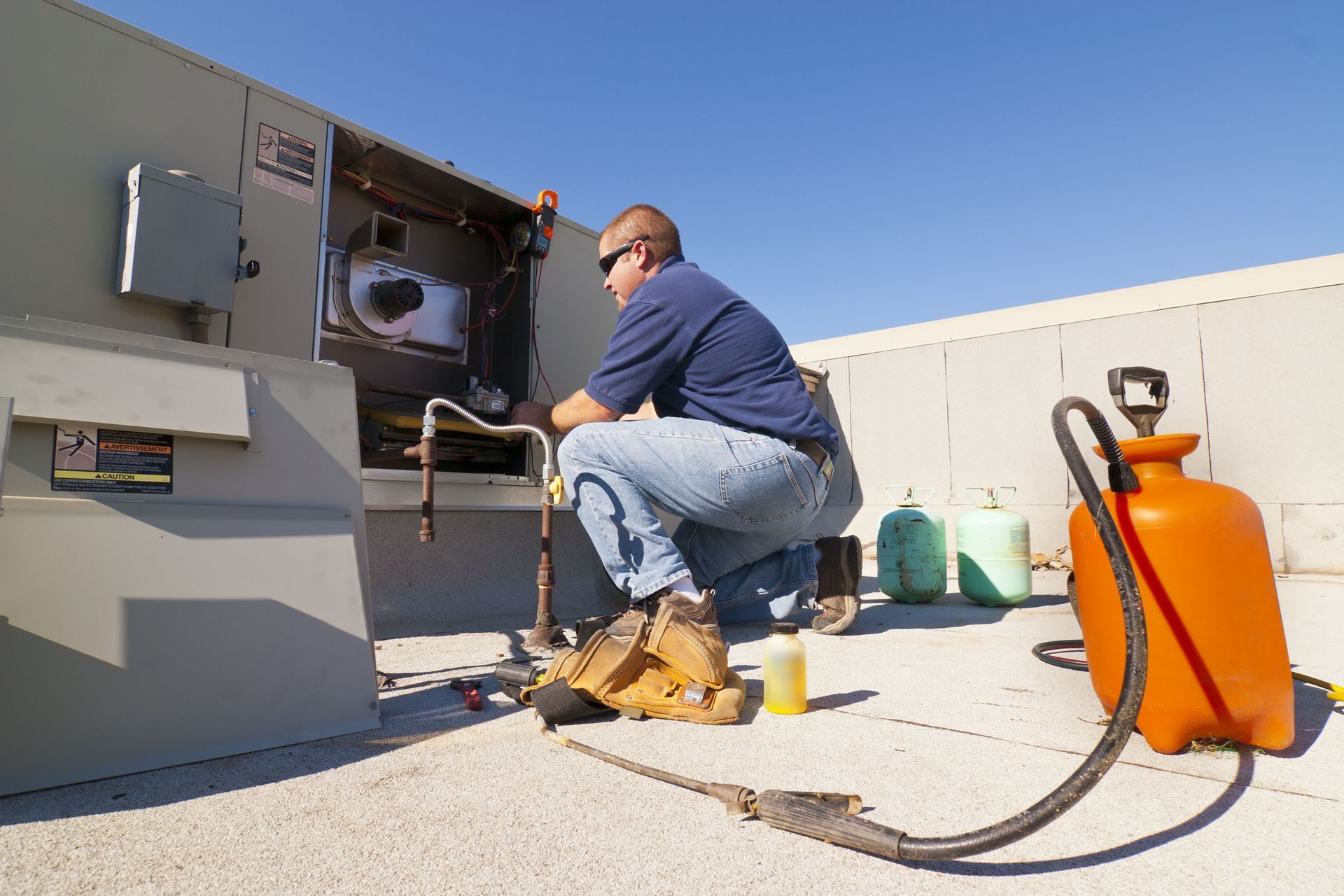
Routine upkeep involves inspecting intake filter elements, monitoring fluid levels in lubricated units, checking belt tension, and draining accumulated moisture condensation daily from receiver storage tanks. Over time, particulate contamination can degrade internal valves and seals, reducing volumetric efficiency and increasing overall energy consumption. Scheduled air compressor maintenance services ensure that air filters, separator elements, and lubricants are refreshed at optimal service intervals, maintaining peak system reliability and extending operational life.
Resolving Unexpected Mechanical Breakdowns
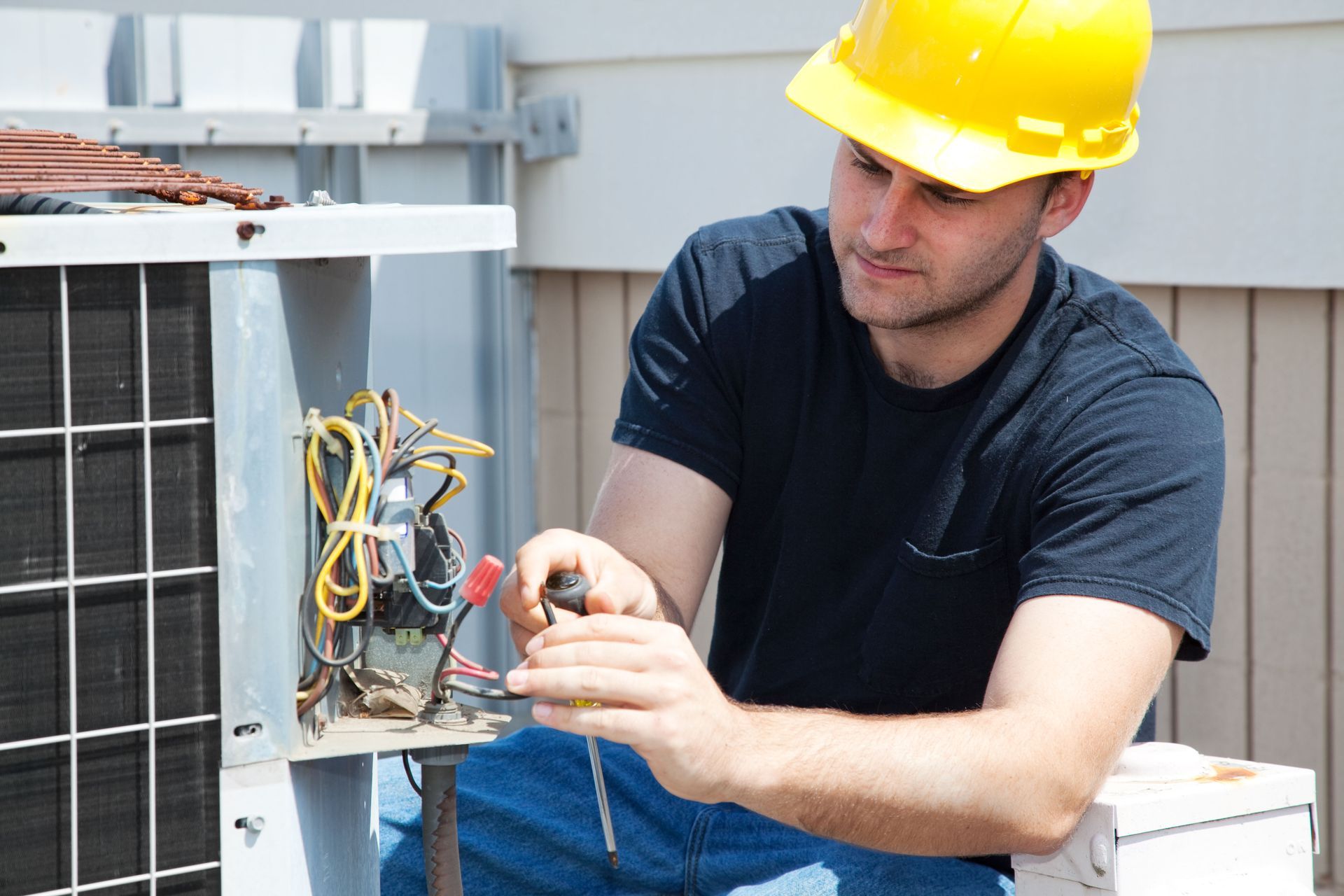
Even with diligent upkeep, mechanical components eventually experience wear from continuous friction and thermal stress. Common operational issues include pressure drops across distribution piping, excessive machine vibration, fluid contamination, and electric motor overheating. Professional air compressor repair services systematically diagnose valve leakage, electrical continuous power anomalies, and rotor degradation to restore machinery to peak operating specifications rapidly without disrupting broader workflow schedules.
Planning Professional Equipment Integration
When existing machinery reaches the end of its operational lifespan or facility expansion demands additional CFM output, facility managers must evaluate replacement strategies carefully. Professional compressor sales advisors analyze total airflow requirements, peak demand factors, pressure drop variables, and continuous duty needs to recommend optimal machinery configurations. High-performance air compressors ensure that modern operations maintain peak productivity without facing unscheduled operational interruptions or output drop-offs.
Supporting Commercial Facility Needs
Maintaining uninterrupted pneumatic production requires reliable support channels and flexible service logistics. Organizations benefit from commercial service providers offering comprehensive options tailored to fast-paced, high-demand operational environments. Versatile air compressors remain indispensable assets for businesses seeking reliable mechanical output across all shift patterns.
Accessing Emergency Service Options
Pneumatic equipment failures can bring manufacturing lines, commercial assembly bays, and critical operations to a complete standstill. Having access to after-hours emergency service ensures that technical assistance remains accessible outside standard business hours, restoring critical air pressure quickly during unexpected system shutdowns.
Utilizing Convenient Equipment Logistics
Selecting machinery and obtaining replacement parts should align with complex operational schedules. Commercial facilities benefit from flexible fulfillment options, including in-store pickup and no-contact delivery, allowing maintenance teams to secure required components without disruption to daily facility routines. Additionally, requesting same-day free estimates enables decision-makers to evaluate equipment options and servicing plans promptly while maintaining budget clarity.
Understanding mechanical classifications, tank sizing factors, and continuous duty requirements helps organizations optimize their pneumatic infrastructure for long-term operational success. Whether managing a small service facility or an extensive industrial complex, proper system selection and systematic care ensure long-term mechanical performance and process reliability. Engaging qualified professionals for sales, preventative servicing, and emergency repairs preserves operational continuity and keeps critical air compressors running reliably for years to come. If you are concerned about a pneumatic system, contact Air Compressors Plus today for a free same-day quote. We service all brands of compressors and offer a wide range of services to cater to your needs.
Share On: